





With the April approval of Hercessi (Accord BioPharma), a brand of trastuzumab-strf—a HER2/neu receptor antagonist that is a biosimilar for Herceptin (Genentech)—the FDA marked its 50th biosimilar agent. At the same time, the agency also updated its Biosimilars Action Plan (BAP), first released in 2018, to reinforce its strategy to further expand biosimilar product availability and use.
“The [updated] BAP describes the agency’s high-level vision to encourage innovation and competition for biologics and to facilitate the development of safe and effective biosimilar and interchangeable biosimilar products at potentially lower costs for patients,” said Sarah Yim, MD, the director of the FDA’s Office of Therapeutic Biologics and Biosimilars.
The BAP includes four goals to increase biosimilar uptake, focusing on:
- improving efficiency of the biosimilar development and approval process;
- maximizing scientific and regulatory clarity surrounding biosimilars;
- developing communication strategies to improve patient, clinician and payor understanding of biosimilars; and
- supporting market competition.
“Increasing comfort and familiarity with biosimilars is a key factor in supporting the biosimilar marketplace,” Dr. Yim said.
In the new report, the fourth goal has been updated to include an additional aim: identifying misinformation. “It is important for patients and healthcare providers to have factual, unbiased information about biosimilar and interchangeable biosimilars,” Dr. Yim said.
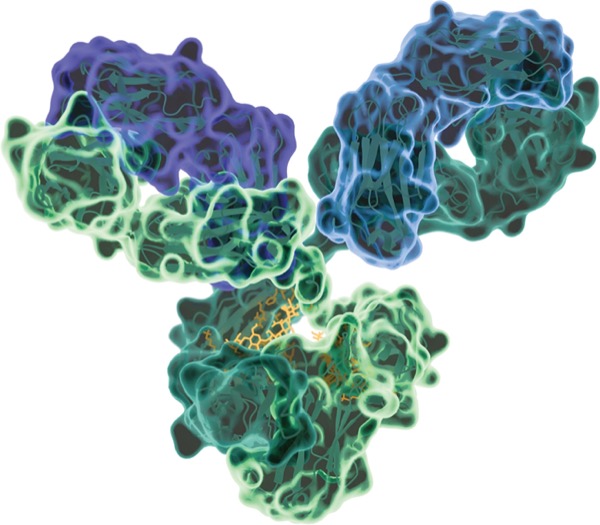
In addition to updating its content, the latest BAP migrated from a PDF to a web-based format and will enable the FDA to more easily update the plan.
The Association for Accessible Medicines’ 2023 U.S. Generic & Biosimilar Medicines Savings Report noted that FDA-approved biosimilars have saved the healthcare system $23.6 billion since the first biosimilar product was approved in 2015. Furthermore, patients have used biosimilars for nearly 700 million days of therapy, 344 million days of which patients received care they may not have received without biosimilar competition.
These statistics led Dr. Yim to conclude that “the impact and potential of biosimilars are significant not only in terms of savings to the healthcare system, but also for health equity and helping improve patients’ access to medications that were previously beyond their reach.”
A Manufacturer’s Take
Brian Mulnix, head of Biologics Commercial for North America, Dr. Reddy's Laboratories, expressed strong support for the BAP’s objectives, particularly those that are aimed at streamlining the biosimilars approval process “to make it more predictable and affordable for biosimilars manufacturers.” Such efforts are crucial, he stressed, because there are still many branded biologics that do not have biosimilar versions due to the high cost of development.

Mr. Mulnix suggested that the FDA could further improve the biosimilars approval process by eliminating the requirement for phase 3 comparability studies, “now that the science has really advanced to the point that we can trust the structural and functional assays to prove similarity.” He noted that there are international models for this approach. The United Kingdom's Medicines and Healthcare products Regulatory Agency, for example, is moving away from requiring comparability efficacy studies for biosimilars.
He added that Dr. Reddy’s advocates for the establishment of global comparators to avoid duplicative pharmacokinetic testing of reference products from different regions, “which would further streamline the process without compromising safety, efficacy, or quality standards.”
When asked about the FDA’s openness to adopting models like that of the United Kingdom, Mr. Mulnix noted that although the FDA has held discussions on this topic, more work needs to be done for any policy to take hold.

Mr. Mulnix addressed another barrier to more widespread uptake of biosimilars: misinformation about their safety and efficacy, which, as noted, the FDA addresses in the BAP. “This document makes it very clear that there are no clinically meaningful differences between biosimilars and their reference products in terms of safety, purity or potency,” he said. “So, it would be false or misleading to suggest [otherwise].”
Mr. Mulnix touched on the broader landscape of biosimilar adoption in the United States. He agreed that the industry is approaching an inflection point, with increasing biosimilar uptake driven by actions such as CVS Caremark removing Humira (AbbVie) from its national formulary. “However, challenges remain,” he said, particularly in ensuring that the cost savings from biosimilars are passed on to patients instead of being absorbed by third parties in the form of rebates and fees required to access formularies and distribution channels. “These financial pressures can limit the ability of biosimilar manufacturers to invest in further development.”
He also emphasized the significant role that pharmacists play in promoting biosimilar uptake, particularly in large academic centers and integrated delivery networks.
As for key efforts going forward, Mr. Mulnix pointed out that “biosimilars should be considered interchangeable with their reference products upon approval,” a position supported by pending legislation (Biosimilar Red Tape Elimination Act [S.2305]). “This would eliminate the need for a separate interchangeability designation, further simplifying the process and encouraging wider adoption of biosimilars in the U.S. market.”
Mr. Mulnix also outlined Dr. Reddy's Laboratories' commitment to the biosimilars market in the United States, noting the company’s pipeline includes biosimilars for denosumab (Prolia, Amgen) and abatacept (Orencia, Bristol Myers Squibb). “We also have a number of oncology biosimilars that we haven’t fully disclosed, but it’s a robust list and we hope to launch several products in the coming years,” he said. “We’re building a commercial infrastructure to support the launch of these products and ensure consistent supply.”
The sources reported no relevant financial disclosures beyond their stated employment.
This article is from the September 2024 print issue.