





Remote patient monitoring (RPM)—using digital tools to track patients’ health parameters between office visits—is an appealing concept but often difficult to execute well due to funding and reimbursement challenges, an expert panel said during Asembia’s AXS24 Summit, in Las Vegas.
However, with the right arrangement, panelists told Pharmacy Technology Report, it can be worth pursuing. There are several types of setups, from mobile apps and wearable devices that feed data into electronic health records to more therapeutic management arrangements in which clinical navigators provide telehealth visits to assess medication side effects, adherence and persistence.
“It’s not about the data or the technology; it’s about what kind of service or outcome you can provide as a result of remotely monitoring the patient with the data,” said Harry Travis, BSPharm, MBA, the president of the Travis Group, a consulting firm. “There’s all sorts of gadgets and gizmos that monitor patients. But if you don’t have a way to turn that into some kind of definable outcome, it’s just another whiz-bang technology.”
Remote monitoring allows clinicians to immediately recognize a downtrend in patient health metrics, such as abnormal blood pressure readings, enabling them to intervene and prevent negative clinical outcomes. Additionally, RPM serves as an extension of the primary care and wellness paradigm, said Shannon Wiley, JD, a member of the law firm Bass, Berry and Sims. “But that presupposes that someone is interested in those outcomes,” she said.
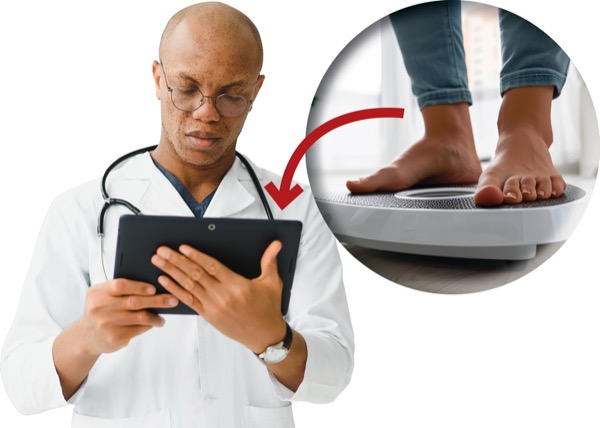
One of the more consistently successful areas of RPM adoption has been among patients with congestive heart failure, Mr. Travis said, who are at risk for blood pressure excursions due to increased weight gain if they’re not adherent to prescribed diuretics. Some remote monitoring programs provide patients with a scale to track weight every day and upload that information into a platform that has an algorithm monitoring whether they gain a certain number of pounds in a two- to five-day span; in that event, clinicians will intervene to increase their diuretic dose or encourage them to cut salt.
“You’re watching them and keeping them out of the ER,” he said. “That is real attractive to physicians and providers who are on some type of value-based contract where emergency room visits are a big deal.”
Funding sources for the programs can become an issue, the panelists said. Payors have been reluctant to fund some RPM models knowing that beneficiaries frequently switch plans, Ms. Wiley noted. Physicians and hospitals are not necessarily thinking about how to implement technology in the most efficient way because they’re more focused on how they’re getting paid, added Rebecca Shanahan, JD, the founder and CEO of the consulting firm Shanahan Capital Ventures. Turnkey solutions offered by companies, where they handle all data analysis, are preferred.
Getting Paid a Problem
Reimbursement is another challenge. The Centers for Medicare & Medicaid Services will cover some RPM services, but then “everybody fights for the dollars inside of that,” Ms. Shanahan said. A doctor’s office may want to get 33% to 50% of the overall charge, and the vendor that sets up the technology and navigates the reimbursement process also wants a cut. “It becomes economically challenging,” she said.
Physicians may, in some cases, choose to purchase equipment for their patients, hoping to avoid later ER bills. “But you’ve got to be real careful about those calculations,” Mr. Travis said, “because you end up spending the money first before you’re getting the return.”
Usually RPM is an arrangement among a physician, patient and tech company, he said. If pharmacy gets involved, it should be for a defined purpose such as medication adherence. Otherwise, it can become a “rabbit hole,” he said. “You spend a lot of time, and you don’t get a lot of money out of it.”
Organizations looking to implement RPM technologies must consider several factors, panelists said. First, they need a compelling business or value proposition: What is the problem they are solving? Why do stakeholders such as patients, providers or payors need the technology? How does the product stand out against competitors? Vendors also should share any documented clinical and financial outcomes they have from clinical trials, payor experiences or real-world evidence. Also consider how to keep patients engaged with the technology.
Successful implementation of RPM digital health support “requires a SEAL Team 6–type approach to parachute into an integrated delivery system and essentially stay until the whole thing is fixed,” Ms. Shanahan said. Make sure to have adequate funds to weather the long sales and adoption cycles for new technologies, she added.
The sources reported no relevant financial disclosures beyond their stated employment.


This article is from the September 2024 print issue.