

Originally published by our sister publication Specialty Pharmacy Continuum
By Steven John Cumper, BAppSc (Osteo), MOst
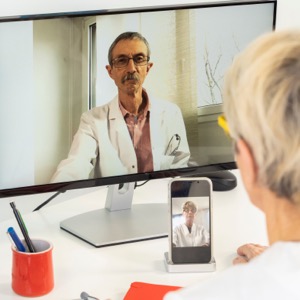
If your primary care physician can make a virtual appointment work, so can your pharmacist—and that kind of access to medication experts is critical for patients who rely on home-based health care.
Without the creative use of technology to connect patients with their pharmacists through telepharmacy services, patients in home health care are at risk for falling through the cracks when it comes to medication management. For example, when home health care patients need medication, it is often delivered to their home via standard mail services. Although this dispensing mode offers convenience and accessibility for the patient, it limits their access to pharmacists. This gap can have dangerous consequences for patients who need assistance with their medications.
Through the use of telepharmacy, patients and their caregivers do not need to travel to meet with a pharmacist. Virtual visits also eliminate the need for long waits in crowded waiting rooms. Likewise, the pharmacist does not have to carve out as much time in their schedule as they would for in-person appointments, and can see more patients in a day.
Studies have proven that telepharmacy improves access to pharmacists in rural areas where pharmacists are in short supply (Medicina (Kaunas) 2019;55[7]:327). It also provides homebound patients with the ability to speak to a pharmacist even when they cannot travel to a local pharmacy to ask medication-related questions.
However, patient consultations are not the only virtual aspect of telepharmacy: The technology also offers the ability for pharmacists to remotely monitor the dispensing of medications. Remote dispensing sites need not keep a pharmacist on site, and instead, pharmacy technicians can manage the hands-on process while being supervised by pharmacists.
There are several other telepharmacy trends worth noting:
Integration with telehealth technologies. Immediate access to patient charts, histories, and any contraindications for prescriptions will change the landscape of patient care. Instead of having to wait for medical histories to be sent over from physicians’ offices or hospitals, a full integration allows pharmacists to access the information they need in real time. This also includes any data collected from home health monitoring devices.
Artificial intelligence and patient care. The rise of AI has reached health care. In telepharmacy settings, patients can access an AI bot around the clock, that can answer questions and provide limited advice in the absence of a pharmacist.
Devices and tools used in telepharmacy in home health service. Like with most other medical providers who offer telemedicine services, pharmacists using telepharmacy tools rely on the patient and their caregiver to provide them with accurate health data. These data are crucial for the pharmacist to make the best decisions regarding the patient’s medication.
To obtain these data, some portable medical devices are needed. Important information, such as the patient’s weight, blood pressure, blood glucose levels, and heart rate, helps the pharmacist determine things such as whether certain dosages or replacement medications are safe (Res Social Adm Pharm 2023;19[9]:1267-1277). Patients or their caregivers can obtain this information using many devices available for home use. These include:
• digital scales;
• blood pressure monitors;
• continuous glucose monitors;
• pulse oximeters; and
• thermometers.
Similar to most telemedicine technologies, telepharmacy is a concept that saves time and has the potential to be a more affordable alternative to in-person options (J Med Internet Res 2020;22[10]:e17298). Patients who receive in-home medical care deserve equal access to medical providers, including pharmacists, and telepharmacy helps provide it.
Telepharmacy’s positive impact on accessibility and the global shortage of health care providers cannot be overstated. The technology saves time and addresses inequities in health care. It promotes independence in patients with mobility limitations or financial barriers. Most importantly, it fills a gap in service that in-person services have failed to fill.
The combination of remote health monitoring and telepharmacy results in a higher standard of care for patients who previously did not have access to a pharmacist to address their medication-related questions. There are few disadvantages in the use of telepharmacy, and its use should be considered beneficial to both patients and providers.
Mr. Cumper is the managing director of the Medshop Group.