





Several campaigns aimed at addressing burnout among healthcare workers and strategies for promoting pharmacist well-being at an organizational level were highlighted at the ASHP Midyear 2024 Clinical Meeting & Exhibition, in New Orleans. Speakers emphasized that the onus should not be on individual pharmacists to make themselves more resilient.
“You are not the problem when it comes to healthcare system burnout; it isn’t your weakness, it’s not your lack of ability to withstand challenges, it’s not your frailty, it’s not your fault. The system is what’s challenging. The expectations are unreal,” L. Casey Chosewood, MD, MPH, told attendees. “Pizza party at lunch or not, the system has to change. Otherwise, we will chew up and spit out professionals like you on a regular basis.”
While the COVID-19 pandemic heaped additional challenges on healthcare workers—including personal protective equipment and staffing shortages; more fatigue, grief and loss; and exposure to increased hostility and violence—the stressors that lead to burnout are not new, and include long and irregular work hours; exposure to human suffering and death; intense physical and emotional labor; and risks from hazardous diseases, drugs and violence.
“Long before COVID, my guess is you all felt the stress of too few resources, too many demands, ongoing challenges with technology, and oftentimes, invasive monitoring of your speed and efficiency,” said Dr. Chosewood, the director of the Office of Total Worker Health at the CDC’s National Institute for Occupational Safety and Health (NIOSH), in Washington, D.C.
NIOSH’s Impact Wellbeing campaign (bit.ly/4iBLaMJ), funded by the American Rescue Plan of 2021 and piloted in six hospitals around the country, aims to provide hospital leaders with tools to improve healthcare worker well-being by implementing evidence-based policies to reduce burnout as well as barriers and stigma around seeking mental health support.
The Impact Wellbeing Guide is available online (bit.ly/3OYBsX7), said Stefanie Simmons, MD, FACEP, the chief medical officer at the Dr. Lorna Breen Heroes’ Foundation, which partnered with NIOSH to develop the document. It includes six key steps (box). “We are really impressed with the quick uptake [of the Impact Wellbeing campaign], especially in some of the motivated hospital systems,” Dr. Chosewood commented. One insight arising from the pilot programs: “You definitely need … strong senior leadership support—ideally, someone whose own performance, and their own bonus and reward system, is tied to improvement in measures of the well-being of the workforce.”
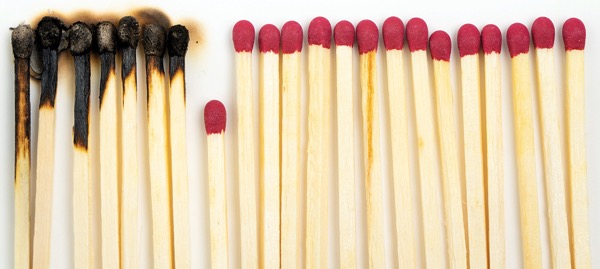
6 Steps for Getting Ahead of Burnout
- Assess your organization’s current state of well-being. “There’s a huge range of what organizations have done, from nothing to some really great systems and structural interventions,” Dr. Simmons said. “And the last thing you want to do when you are implementing change is to get rid of good stuff that’s already happened.”
- Form a multidisciplinary professional well-being committee. The entire healthcare team at an institution—from doctors and nurses to pharmacists, technicians, dietitians and environmental services teams—must be involved, she continued.
- Eliminate barriers to accessing mental health. Healthcare workers face unique barriers that must be considered, Dr. Simmons said, including their frequently irregular work hours. “If you don’t have access to care outside of your wild healthcare schedule, then you don’t have access to care.”
- Engage in thoughtful two-way communication between institution leaders and the healthcare workforce. Ask workers what changes would help them; leaders should communicate efforts being undertaken on workers’ behalf.
- Engage existing quality improvement program infrastructure. “We can leverage that infrastructure to sprout, overnight, dozens of professional well-being programs in your departments,” Dr. Simmons said.
- Develop a long-term plan. This should include integrating peer support and ongoing quality improvement.
Related Content


He added that participating facilities have faced “some pressure to go back to individual-level interventions,” such as employee wellness programs and meditation. “There’s nothing wrong with those interventions,” Dr. Chosewood said. “They’re just not powerful enough.”
Also discussed was the three-year ASHP Well-Being Ambassador Program, which closed on Dec. 31, and includes access to implementation coaches and resources. More than 4,500 pharmacy professionals enrolled in the virtual program, and more than 30% completed it. Some participants have reported that the program has helped them “identify what it is that they’re feeling,” said Lillian Agyei, MPH, PMP, the manager of the Well-Being Ambassador Program. “Especially when they’re working in practice settings where nothing is being done [to address burnout], their participation in the program gave them a vocabulary … that they could identify and point to and say, ‘Yes, I felt that way [at] work as well.’”
A Cultural Shift
Another program goal was shifting organizational cultures to better support well-being. Ms. Agyei cited participants who have shared insights from the program with their departments and continue to search for opportunities to identify and improve factors contributing to burnout.
“It’s extremely important to sustain the progress that we’ve made in the last three years,” she said. ASHP is compiling a repository of resources presented throughout the three years of the program and offering its Well-Being and Resilience Certificate complimentary to PGY-1 and PGY-2 residents and fellows.
Additionally, Anna Legreid Dopp, PharmD, CPHQ, the senior director of government relations at ASHP, noted that the organization is strongly advocating for Congress to reauthorize the Dr. Lorna Breen Health Care Provider Protection Act. The act, which was signed into law in 2022, has funded the development of suicide prevention resources for healthcare workers and support for mental health programs at 45 hospitals and health systems.
The sources reported no relevant financial disclosures.
This article is from the January 2025 print issue.