





Originally published by our sister publication Gastroenterology & Endoscopy News
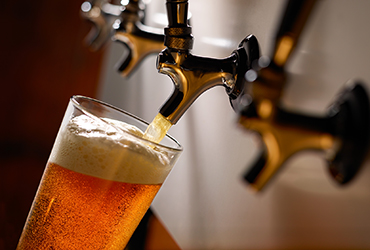
SAN DIEGO—People who drink beer have a lower-quality diet, are less physically active, and are more likely to smoke than those who drink liquor, wine or a combination of the three, according to study data presented at TLM 2024.
These findings come as the rates of liver disease related to alcohol and other risk factors are skyrocketing. “Alcohol overuse is the leading cause of cirrhosis in the U.S., and metabolic dysfunction–associated steatotic liver disease is rapidly increasing,” lead researcher Madeline Novack, MD, a chief resident in internal medicine at Tulane School of Medicine, in New Orleans, said in a press statement. To prevent liver disease and other health problems, Dr. Novack advised that physicians ask patients not only how much they drink but what kind of alcohol they are consuming.
More research is needed to better understand the relationship between alcohol use and nutrition, Dr. Novack said. To that end, the study analyzed a sample of 1,917 alcohol drinkers from the National Health and Nutrition Examination Survey who completed a 24-hour recall survey and assessed self-reported eating habits against the Healthy Eating Index (HEI), a validated standardized assessment based on dietary guidelines.
The study, presented as a poster (abstract 3019) and published in the journal Nutrients (2024;16[22]:3866), found that 38.9% of participants drank only beer, while 21.8% drank wine, 18.2% drank liquor or cocktails, and 21% drank a combination of the three. On the 100-point HEI—where 80 points denotes an adequate diet—beer drinkers scored lowest, at 49; wine drinkers scored highest, at 55, and liquor-only and combination drinkers each scored 53.
But Why Beer?
Beer drinkers are more likely to be male and to live below the poverty line, the researchers found, and this group had the lowest levels of physical activity as well as the highest percentage of people with a remote history of heavy drinking (10%). Liquor-only drinkers were most likely to be obese, measured by both waist circumference and body mass index. Still, the reasons for this dietary disparity are unclear, Dr. Novack said, as these differences in diet quality among drinkers persist, even after adjusting for these confounding factors.
“My theory was that beer drinkers ate less because beer is filling, but the data didn’t support this,” she said. “Beer drinkers actually got more calories from other foods than liquor-only or combination drinkers.”
One theory is the context in which people consume types of alcohol. Wine and cocktails often are paired with well-balanced meals, whereas beer is often consumed in a context of processed snacks that are low in fiber and high in carbohydrates. On the other hand, she added, dietary choices could be influencing the type of alcohol consumed, as fried and salty foods lead to thirst. Either way, she said, it’s important for clinicians to talk to those who drink alcoholic beverages about the importance of nutrition. She said she advocates for patients in her clinical practice to eat a Mediterranean diet because it is best supported by data.
“It’s not just how much you drink that’s important. It’s what do you drink? What do you eat in a given day?” she said. “Lifestyle changes are key to managing and preventing cirrhosis and MASLD, and this starts with understanding the link between alcohol use and poor nutrition.”



Dr. Novack reported no relevant financial disclosures.