

Originally published by our sister publication Infectious Disease Special Edition
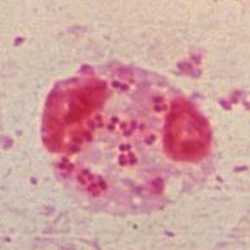
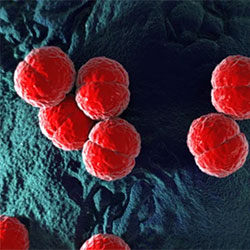
The FDA approved a new 5-in-1 meningococcal vaccine (Penmenvy, GSK) for people from 10 through 25 years of age. The vaccine targets five major serogroups of Neisseria meningitidis (A, B, C, W and Y), or MenABCWY, that commonly cause invasive meningococcal disease (IMD).
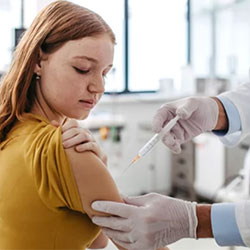
The vaccine combines the antigenic components of GSK’s two well-established meningococcal vaccines, Bexsero (meningococcal group B vaccine) and Menveo (meningococcal [groups A, C, Y and W-135] oligosaccharide diphtheria CRM197 conjugate vaccine). The regulatory application was supported by positive results from two phase 3 trials (NCT04502693; NCT04707391), which evaluated the vaccine’s safety, tolerability and immune response in more than 4,800 participants ages 10 to 25 years. The safety data demonstrated that the vaccine has a safety profile consistent with GSK’s licensed meningococcal vaccines.
Integrating GSK’s MenABCWY vaccine into healthcare provider practices could simplify meningococcal vaccination delivery and help protect more U.S. adolescents against these five common disease-causing serogroups for which the CDC has issued recommendations (Hum Vaccin Immunother 2020;16[1]:176-188). Although MenB is the leading cause of IMD in this population, less than 13% receive the recommended two-dose vaccination series; around 32% receive at least one dose.
At its meeting on Feb. 26, 2025, the Advisory Committee on Immunization Practices is expected to make recommendations for the appropriate use of GSK’s MenABCWY vaccine in adolescents and young adults.
IMD is an uncommon but serious illness that can lead to death for up to 1 in 6 of those who contract it in as little as 24 hours from onset despite treatment (Lancet 2006;367[9508]:397-403). IMD is easily misdiagnosed, with early symptoms often mistaken for influenza (Infect Dis Ther 2024;13[11]:2213-2220). Approximately 1 in 5 survivors may experience long-term consequences such as brain damage, amputations, hearing loss and nervous system problems. Although anyone can get IMD, adolescents and young adults between the ages of 16 and 23 years are one of the groups at highest risk due to common behaviors that help transmit the bacteria that cause IMD: living in close quarters like college dormitories, kissing, and sharing drinks, utensils or smoking devices.
The most commonly reported solicited adverse reactions in MenABCWY conjugate vaccine–experienced individuals aged 15 through 25 years after doses 1 and 2: pain at the injection site, headache, fatigue, myalgia and nausea.
“We are excited about the opportunities ahead to help improve meningococcal vaccination coverage in the United States, especially for IMD caused by serogroup B. Building on our global leadership in meningococcal vaccination and our longstanding commitment to address unmet need in disease prevention, we aim to help protect more teens and young adults at a life stage when they are at an increased risk,” said Tony Wood, PhD, the GSK’s chief scientific officer.