





By Gina Shaw
Regulatory readiness and preparation for accreditation and inspection is a year-round activity, not just a matter for short-term education sessions, industry experts told attendees at NHIA24, in Austin, Texas.
“Accreditation is not a ‘once every three years’ activity,” said certified accreditation consultant Barbara Petroff, BSPharm, principal in Shawler Petroff LLC. “You need to incorporate the process into how you care for patients every day. It makes your life a lot easier in the long run. I’ve had some former employees tell me, ‘We never worry about who might be coming in to inspect because we’re ready all the time.’”
Ms. Petroff has been a surveyor for the Accreditation Commission for Health Care (ACHC), but stressed that she was not speaking for ACHC.
To keep your home infusion pharmacy “ready all the time,” Ms. Petroff and other experts offered 10 tips and insights from their own experience.


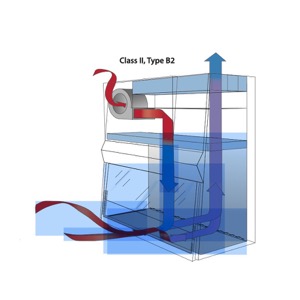
1. Keep up with repair of mechanicals and facades. “Wear and tear is inevitable in your facility, and inspections frequently identify degradation in these rooms,” said Zoe Glaras, PharmD, a pharmacy manager for sterile compounding, quality and compliance at Yale New Haven Health Smilow Cancer Hospital and ambulatory care sites in Connecticut. “Dents, chipped paint, deteriorating caulk, rust, and tape residue that collects dirt and debris are common but must be addressed appropriately. You should have a regular degradation inspection in each cleanroom suite to identify issues necessitating repair or replacement.”
2. Include heating, ventilation and air conditioning (HVAC) systems on your checklist. HVAC systems “are a part of your pharmacy, so if you are not regularly maintaining it, it can result in excursions and downtime,” Dr. Glaras said. “Speaking to your HVAC technicians every time they are in your facility to understand the impact of the services performed, and reviewing that documentation, will help you tremendously.”
3. Assign someone to monitor changes in standards. Accreditation standards typically are updated annually, and it’s the accredited pharmacy’s responsibility to ensure that they are keeping up with those changes, noted Elizabeth Vail, a clinical quality analyst for Optum. “It’s a good practice to have one designated individual responsible for monitoring any updates in accreditation standards,” she said. “It’s important to also note that there may be several standards focused on annual training for employees, so it can be useful to develop your own accreditation training module that includes all of those standards, and make it required for employees.”
4. Role-play and prepare for common questions. “The easiest way for your staff to get comfortable with inspections is to role-play potential inspection interview questions,” Dr. Glaras said. “Go through common questions around normal procedures, such as ‘What are your cleaning agents and what order do you use them in?’ and ‘What is your process for donning PPE?’ These are all normal cleanroom activities; they just need to be prepared to verbalize back to the agent how they perform them. And they can often refer back to posted standards: ‘These are our cleaning agents listed on the wall. I use them in this order at this time.’”
5. Expect the unexpected. “Be ready all the time, every time,” said Vinay Sawant, RPh, MPH, MBA, the executive director of system pharmacy services for specialty, retail and home infusion at Yale New Haven Health. “Even if your pharmacy manager is not present on site at the time, if your pharmacy is open, it must be following standard operating procedures and is subject to inspection. Don’t turn an inspector away, and ensure that you have a designated secondary person who can walk the inspector through if the primary person is out. We have an escalation pathway, so if any inspector or surveyor walks in, regulatory and senior leadership for the system are notified.”
6. Use your surveyors. “Surveyors are not your enemies,” Ms. Petroff said. “They’re not there to make your lives miserable. Your accreditation organization shares what they will be looking for. Ask your surveyors, ‘If I’m not doing this right, how do I make it right?’ They are more than willing to talk and give you as much guidance as you want.
7. Simple questions are not a problem. But also keep in mind that you should stick to answering the questions that are asked by the surveyor—don’t volunteer information that you don’t have to.”
8. After the inspection is too late. “Remember, once your surveyor leaves, you cannot produce any additional evidence to support your compliance for that survey,” Ms. Vail said. “Make sure you have the certificates you will need and documentation the surveyor is likely to ask for, such as cleaning logs and temperature logs, easily accessible. If they ask for something that you cannot find, use your resources. Ask them to give you a few minutes to locate it and reach out to your training or quality team.”
9. Read your certification reports carefully. “I’ve gone into more than one location where I have asked for a certification report and found an action item that had never been addressed, because no one had read the report the way it should have been read,” Ms. Petroff said. “You need to invest time in reviewing your certification reports and understanding them.”
The sources reported no relevant financial disclosures.