





Not all patients in the ICU who appear agitated or distressed have delirium; their altered mental status could have several other causes that need to be identified. Fortunately, these conditions are often treatable and reversible if diagnosed promptly, according to speakers at the 2025 Critical Care Congress, in Orlando, Fla.
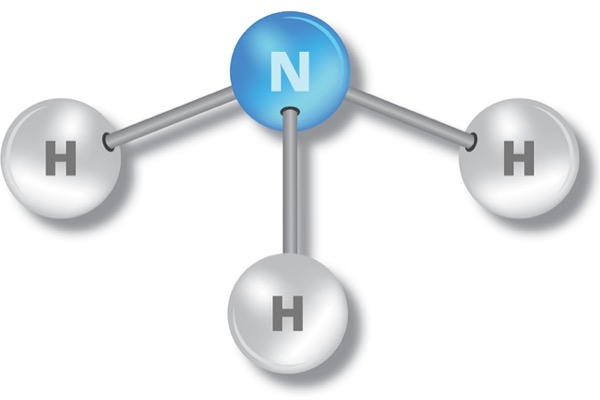
“We are trying to get people to move away from just a syndromic diagnosis” of an altered mental status in the ICU, such as delirium or toxic-metabolic encephalopathy, said Catherine (Casey) Albin, MD, a neurointensivist at Emory University School of Medicine, in Atlanta. Dr. Albin said she consults with other ICU colleagues to isolate less common causes of an altered mental status, once clinicians have ruled out delirium. The consult occurs frequently after a patient’s ammonia levels have been stabilized but mental distress remains; hyperammonemia can cause confusion or disorientation.
Sometimes the reason for a patient’s altered mental status is straightforward. “Is there any focality to their exam?” is one of the first questions Dr. Albin asks.
If someone is weaker on one side than the other, or has a gaze deviation, this may indicate a stroke, or the ictal or postictal stages of a seizure. Once clinicians do further differential diagnoses to isolate whether it’s a stroke or seizure, they can treat the ICU patient accordingly. On other occasions, however, there is no focality to the ICU exam and the cause of an altered mental status remains mysterious. At these times Dr. Albin uses a mnemonic, abbreviated as DOTSS, to guide diagnosis.
D, for Drugs, means to check the patient’s medication list. Antibiotics are especially problematic. “If you’re using an antibiotic, it’s probably associated with some form of neurotoxicity,” Dr. Albin said, particularly in people with end-stage renal disease (Neurology 2016;86[10]:963-971). It’s also important to note which medications were discontinued at ICU admission, Dr. Albin added, such as treatments for Parkinson’s disease or to control seizure symptoms. “Sometimes what we’re not giving people is just as important as the toxins we’re giving them,” Dr. Albin said, providing clues to the source of the patient’s altered mental status.
O, for Osmotic demyelination, means to check whether low brain sodium levels corrected too quickly. This can damage the brain’s myelin sheath, leading to cognitive impairment. Dr. Albin noted that there can be a 14-day gap between the sodium overload and symptom presentation. And it will not be evident on a CT scan; the best thing may be to check sodium levels from two weeks prior. Although there are no dedicated treatments for osmotic demyelination, sometimes clinicians might prescribe an immunomodulator.
T, for Thiamine deficiency, can be corrected. Thiamine deficiency could boost dopamine levels and thereby lead to an altered mental status. The best test for thiamine deficiency is a blood thiamine diphosphate panel. Dr. Albin treats thiamine deficiency empirically with high-dose IV thiamine supplementation in response to unexplained anion gap acidosis and elevated lactate.
S, for Structure, means to consider a CT angiogram when a patient suddenly becomes comatose. In this case, the angiogram may detect a basilar thrombosis that is treatable. More generally, Dr. Albin said, head CT can detect hidden vascular problems that may be causing an altered mental status.
The final S, for Seizures, is to raise awareness that non-convulsive seizures and status epilepticus are sometimes the cause of an altered mental status in ICU patients.
“I like to use shortcuts to guide my thinking,” Dr. Albin said, such as the DOTSS framework and an expanded algorithm about altered mental status in the ICU that she and colleagues published in 2024 (Semin Neurol 2024;44[6]:634-651).
‘Timing Is Everything’
As Dr. Albin noted, correcting ammonia levels will sometimes—but not always—improve an ICU patient’s mental status. But this requires knowing that ammonia levels are elevated and then intervening, session moderator Amir Kamel, PharmD, BCNSP, FASPEN, who specializes in nutrition support and critical care at UF Health Shands Hospital, in Gainesville, Fla., pointed out. “Timing is everything,” he said, because an elevated ammonia level (e.g., 400mcg/dL) for as little as four hours can cause irreversible brain damage, she noted, citing a StatPearls study (bit.ly/4dfBuoK).
This is especially true, Dr. Kamel said, if a patient does not have liver disease that would explain the elevated ammonia readings. For non-hepatic hyperammonemia, he stressed the importance of getting an ammonia reading promptly, given the time sensitivity and fact that measurement errors can be less accurate if there are delays between the blood draw and when the sample is analyzed.

Correcting Ammonia Levels
If someone with elevated ammonia is hemodynamically stable, with bleeding controlled and infectious causes ruled out, Dr. Kamel suggested multiple steps to lower ammonia levels, including intermittent hemodialysis alternated with continuous renal replacement therapy, and supplemented with ammonia scavengers that cause excess ammonia to be excreted in urine.
“This work can be very rewarding,” said Dr. Kamel, who has treated ICU patients with ammonia levels as high as 1,000 mcg/dL. Thanks to proactive and timely collaboration between Dr. Kamel and other critical care providers, he said, these patients are now “eating, walking and having a normal life.”
The sources reported no relevant financial disclosures beyond their stated employment.
This article is from the June 2025 print issue.