





By Myles Starr

Incorporating pharmacists into opioid use disorder (OUD) treatment improves patient outcomes, according to data presented at ASHP Pharmacy Futures 2024, in Portland, Ore.
A case study of the clinical pharmacist practitioner (CPP) Veteran Access Initiative for Substance Use Disorder (CRVA-SUD) program demonstrates how training pharmacists to join OUD treatment teams increased access to care and improved treatment retention.
“In the CRVA-SUD, after an OUD diagnosis is made by a provider, … anyone who has prescribing privileges, including the clinical pharmacist practitioner, can then pick up the initiation, stabilization and maintenance phases of care,” explained Terri L. Jorgenson, RPh, BCPS, the national program manager of clinical practice integration and model advancement at the VA Pharmacy Benefits Management Clinical Pharmacy Practice Office, in Maryland. “This means pharmacists can manage patients independently—yet still collaboratively—with the team.”
Therefore, pharmacists, who are often points of contact with whom patients are comfortable, can prescribe medications for OUD (MOUD) without a patient needing to see a physician again. Furthermore, in rural areas where providers are limited, pharmacists can improve access to MOUD. Both factors, according to Ms. Jorgenson, improve patient satisfaction and promote treatment retention.

As of June, 142 pharmacists had completed the CRVA-SUD program and prescribed buprenorphine for OUD treatment in 66 Veterans Affairs facilities for 1,700 patients. The program included:
- clinical training in SUD care for CPPs;
- routine accountable partnerships with stakeholders (including launch meetings, interdisciplinary visits with challenged sites and facility implementation calls);
- consultative visit evolution with multiple disciplines; and
- quantitative and qualitative evaluation and multilevel marketing of the program.
Between 2020 and 2023, CCPs in the program had more than 39,000 encounters with veterans, 21% of whom had an OUD diagnosis, with improved provider and patient satisfaction levels.
Role clarity is crucial for interdisciplinary teams treating patients with OUD, Ms. Jorgenson stressed. “Everybody needs to be involved in the conversation to understand each other’s roles so you can take the best care of patients and figure out who needs to jump in,” she said. “This is how a collaborative care model can exist effectively for the patient.”
Incorporating pharmacists into OUD treatment has also worked outside the VA. In a 2014 study cited in the presentation (Addiction 2021;116[7]:1805-1816), that collaborative approach yielded “some very impressive results, including zero overdoses,” Ms. Jorgenson said. “Among the 71 patients enrolled, there was an 88.7% treatment retention rate at six months, a 95.3% visit adherence rate and a 100% medication adherence rate with very high satisfaction rates across [all providers] and patients.”
Ms. Jorgenson reported no relevant financial disclosures.
Complex Interplay Between MASLD And Chronic Hepatitis B Virus Infections
The prevalence of metabolic dysfunction–associated steatotic liver disease (MASLD) has increased worldwide and is particularly problematic among patients with chronic hepatitis B virus. Of the approximately 254 million people with HBV surface antigen (HBsAg)-positive chronic HBV, 16% to 67% may have concurrent MASLD (Lancet Gastroenterol Hepatol 2020;5[2]:167-228; bit.ly/3Zqrq7y).
The interplay between the two diseases is complex. Large cohort studies have suggested that MASLD may be protective against HBV by suppressing viral replication, yet co-occurrence may still worsen liver disease outcomes such as cirrhosis and hepatocellular carcinoma (HCC) (Front Physiol 2024;15:1347459).
A new study from investigators at the University of Calgary, in Alberta, sheds some light on the mechanisms involved in this complicated relationship between disease states, finding that even when HBV is suppressed, coexisting MASLD leads to activation of systemic inflammatory pathways and metabolic dysregulation that may ultimately aggravate HBV-related liver fibrosis progression (J Viral Hepat 2024 Aug 7. https://doi.org/10.1111/ jvh.13979).
This prospective cross-sectional cohort study enrolled 53 adults aged 18 to 60 years with chronic HBV, both with and without severe hepatic steatosis and metabolic syndrome risk factors, who were treatment-naive and had no end-stage liver disease such as cirrhosis or hepatocellular carcinoma. In addition, 12 HBV-negative individuals with MASLD were recruited for immune assay control.
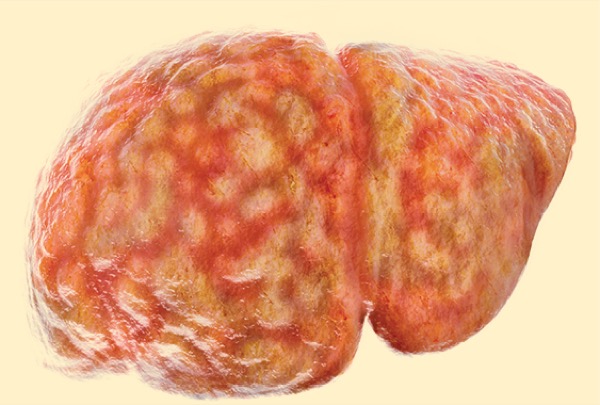
The investigators assessed HBV replication status using standard and novel viral biomarkers, HBV variants by deep sequencing of the HBV surface and core genes, and serum cytokine levels and ex vivo functional HBV-specific cellular immune responses to whole recombinant HBsAg and HBV core antigen, a marker of viral replication found in infected hepatocytes. They found that those with more severe hepatic steatosis showed increased peripheral systemic and Th1 cytokine levels and cellular response to whole viral proteins. Patients with metabolic syndrome and steatosis showed lower HBV markers (P<0.01), higher HBV surface diversity (P=0.02) and greater frequency of HBV variants associated with host antiviral immune escape.
“Individuals with more hepatic steatosis showed low-level viremia, unique HBV variants and systemic anti-viral immune responses, potentially impacting liver disease progression. Overall, the accumulated study data are consistent with other published work showing lower HBV viremia, including novel replication biomarkers, in CHB [chronic HBV] patients with comorbid MASLD,” wrote the researchers, led by Claudia Coffin, MD, MSc, a professor of medicine and the medical director of the University of Calgary Viral Hepatitis Clinic. “Moreover, our study data show an association between hepatic steatosis and HBV genome changes, systemic inflammation and host-antiviral specific immune responses, determined by assessment of HBV S [surface] gene diversity and variants, serum cytokines and IFN-gamma cellular responses to recombinant HBV proteins.”
While cautioning that larger and longer studies including in patients with more diverse HBV genotypes are needed, the researchers noted their findings suggest that MASLD-associated immune–inflammatory profiles may enhance HBV-specific T-cell responses in patients with both CHB and MASLD, achieving higher rates of a functional CHB cure.
Dr. Coffin reported financial relationships with Altimmune Pharmaceuticals, Gilead, GSK, Janssen and Roche.
Psychedelic Mushroom Gummies Cause Harm
Toxicology experts in Virginia are warning about adverse health effects in people ingesting hallucinogenic mushroom gummies marketed as nootropics (substances taken to enhance cognitive function) or psychedelics, purchased from gas stations and smoke shops. The products have been found to contain several ingredients not listed on the labels.
Four adults who intentionally ingested gummies labeled as containing either Amanita muscaria or proprietary mushroom nootropic blends reported to emergency departments from Sept. 1 to Nov. 20, 2023, experiencing tachycardia, confusion, anxiety or somnolence, and nausea, investigators wrote in Morbidity and Mortality Weekly Report (2024;73: 628-630). A. muscaria, although legal, can cause symptoms such as gastrointestinal upset, agitation and seizures. In June 2024, a 3-year-old child who accidentally ingested two gummies was hospitalized with somnolence and vomiting.

As a result, investigators with the University of Virginia Health Toxicology Laboratory evaluated the content of six products from five brands, using mass spectrometry.
“We were surprised and concerned to find psilocybin and psilocin [in four of them], knowing that they are Schedule I drugs in Virginia,” said study co-author Rita Farah, PharmD, MPH, PhD, a research assistant professor and an epidemiologist with the medical toxicology division of UVA’s Department of Emergency Medicine, in Charlottesville. “We found undisclosed stimulants, namely caffeine and ephedrine. We found mitragynine in one of the brands. Mitragynine produces an opioid-like effect. While [it] is legal in Virginia, it was not disclosed as an ingredient.”
Pharmacists should “be aware of ‘edibles’ or ‘food-like’ products with nonspecific health benefits that patients may report taking,” Dr. Farah said. “Keep these products on your radar as they can cause severe adverse health effects.”
Issues related to these types of items are not limited to Virginia, Dr. Farah added. As of August 30, 158 illnesses and 63 hospitalizations related to Diamond Shruumz–brand chocolate bars, cones and gummies have been reported in 28 states, according to the FDA. The products, which cause a variety of severe symptoms, including seizures, central nervous system depression, agitation, abnormal heart rates, nausea and vomiting, have been recalled by the parent company and should not be available for sale, the agency noted.
Dr. Farah reported no relevant financial disclosures.
This article is from the November 2024 print issue.