
Originally published by our sister publication Specialty Pharmacy Continuum
By Lesley Barton
According to the WHO, at least 300 essential drugs are in shortage around the world. It’s a stark reminder of why medical supply chains need to be prioritizing resilience.
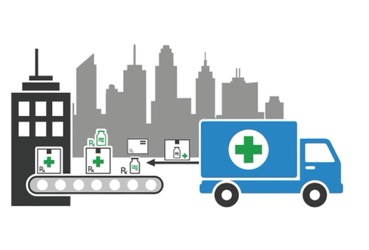
The adaptability of a supply chain is determined by its ability to predict disasters and disruptions and maintain continuity in the face of such challenges. While no one could have predicted the impact of the COVID-19 pandemic, the failure of global medical supply chains during that period provided an amplified view of what happens when these structures fall apart. Shortages in drugs, ventilators, and personal protective equipment left patients without access to critical care and, in turn, resulted in compromised outcomes.
Supply chains are a huge factor in determining the speed and quality of care that patients receive. This article explores why that is, the strategies that can be used to build resilience and mitigate risk, and the role that pharmacists can take in easing the strain of some of these issues.
Why Supply Chain Resilience Matters in Pharmacy Practice
Pharmaceutical practices rely heavily on supply chains to meet customer demand, but invariably, things go wrong. Resilience is about having adequate structures in place to predict and respond to obstacles long before a pharmacist is forced to turn a sick patient away because they can’t fulfill their prescription. It’s why reliable distribution of healthcare products has become so important.
Almost 2,000 different drugs went into shortage in the United States between 2018 and 2023. Supply chains may seem like abstract structures, separate from what occurs over a pharmaceutical counter, when in fact, they’re the very thing that allows pharmacists to provide patients with steady access to healthcare and medical supplies.

The Direct Impact of Supply Chain Gaps on Patient Care
To better illustrate the above, here are some key ways in which supply chain gaps and a lack of resilience can negatively affect patient care:
- Delayed treatment. Medical supply shortages and delays mean that patients must wait longer for proper treatment. This prolongs suffering and can result in worsened symptoms that further complicate treatment.
- Medical errors. When a drug isn’t available, the typical solution is that a pharmacist will offer substitutions. However, this can sometimes cause adverse reactions or require other medications to be shifted in the process.
- Compromised patient outcomes. In some instances, supply chain gaps simply cause lengthier recoveries for patients, but in more dire situations, the delays can mean they won’t recover at all. At the end of 2024, The Pharmaceutical Journal reported on a pair of coroners who pointed to a shortage in attention-deficit/hyperactivity disorder and epilepsy medications contributing to the deaths of at least two patients: one from a drug overdose and another a seizure.
- Decreased trust. So much of the patient experience is dependent on the trust they have for their medical provider, whether that’s a nurse or a pharmacist. Disruptions such as drug shortages and last-minute substitutions can erode that sense of trust and can make patients less willing to lean on providers in the future.
5 Strategies for Building Resilience
There are many ways to build resilience in the medical supply chain, but here are five of the most important strategies for pharmaceutical practices and others in the industry to invest in:
- Diversified suppliers. The more varied medical suppliers are in terms of geography, the less likely the supply chain is to buckle under a single shortage. Some medical supply companies will manage this for businesses by ensuring diversification on their end and having backup vendors when shortages occur.
- Advanced inventory management. Using technology to track and analyze inventory can help practices get a better sense of demand trends and better prepare their supply chains to minimize the chance of shortages. It can also illuminate what supplies are worth stockpiling and when.
- Strengthening stakeholder partnerships. Medical supply chains are intricate webs that extend throughout the private and public sectors. To build resiliency, medical practices must invest in strong collaboration and relationship-building across these lines so that they can seek assistance from multiple stakeholders during crises such as drug shortages.
- Contingency plans. Medical and pharmaceutical practices must have contingency plans in place for supply chain disruptions. Exploring different scenarios and responses ensures that, in a time of actual crisis, medical providers will have a clear way forward to continue their support for patients safely.
- Supply chain visibility. Visibility is one of the cornerstones of supply chain resilience. It’s what ensures that vulnerabilities are spotted and responded to quickly, but it also allows pharmacists and other providers to track supplies as they’re coming in and keep patients informed in the process.
The Pharmacist’s Role in Mitigating Supply Chain Challenges
Pharmacists have a hefty set of responsibilities in mitigating supply chain challenges. If a drug shortage is ongoing, they’ll need to advise on an alternative, any associated risks, and how best to proceed. Pharmacists are also the ones who can help patients gauge how long to wait if stock is delayed.
With care, compassion, and expertise, pharmacists are tasked with ensuring that supply chain challenges affect patients as minimally as possible. It’s their insights that can ease the gaps and help maintain care continuity.
Conclusion
How well pharmacists and other medical professionals can support patients is fundamentally linked to global supply chains. More resilient supply chains are less prone to delays and thus allow quality of care to be maintained. Disruptions, however, can have major consequences for patient outcomes.
That’s why it’s vital that medical supply chains invest in resilience strategies. Simple interventions such as supplier diversification and creating contingency plans can ease the strain of disruptions and help practitioners show up for patients more consistently. This is what ultimately ensures greater outcomes and patient safety.
Lesley Barton is the national clinical and training manager at Bunzl & AMHC, with more than 40 years of healthcare experience. A registered nurse, midwife, and continence nurse specialist, she transitioned into healthcare sales and management, leading education in continence, wound care, and medical consumables.